Our resources are intended for energy managers, CFOs, operations leaders, and procurement teams responsible for material natural gas exposure.

Featured Article
Market Insight & Procurement Strategy Perspectives
BREA Energy publishes structured market perspectives and procurement insight for industrial and institutional natural gas users.
Our articles address market dynamics, contract structures, volatility management, and risk allocation considerations that materially influence procurement decisions.
We do not publish commentary for speculation — we publish analysis to support disciplined energy governance.
-

Structured Natural Gas Procurement in North Carolina: Managing Winter Volatility and OFO Risk
A Strategic Perspective for Industrial and Institutional Energy Users North Carolina’s natural gas market presents unique structural considerations for large… Read More
Featured Case Study
Documented Procurement Outcomes
Our case studies demonstrate how structured procurement strategy, disciplined evaluation, and ongoing risk oversight have produced measurable outcomes for large natural gas users.
-
Structured Natural Gas Procurement Strategy
Designed and implemented a layered procurement strategy incorporating fixed and structured pricing components, reducing exposure to market volatility and improving budget predictability. Read More

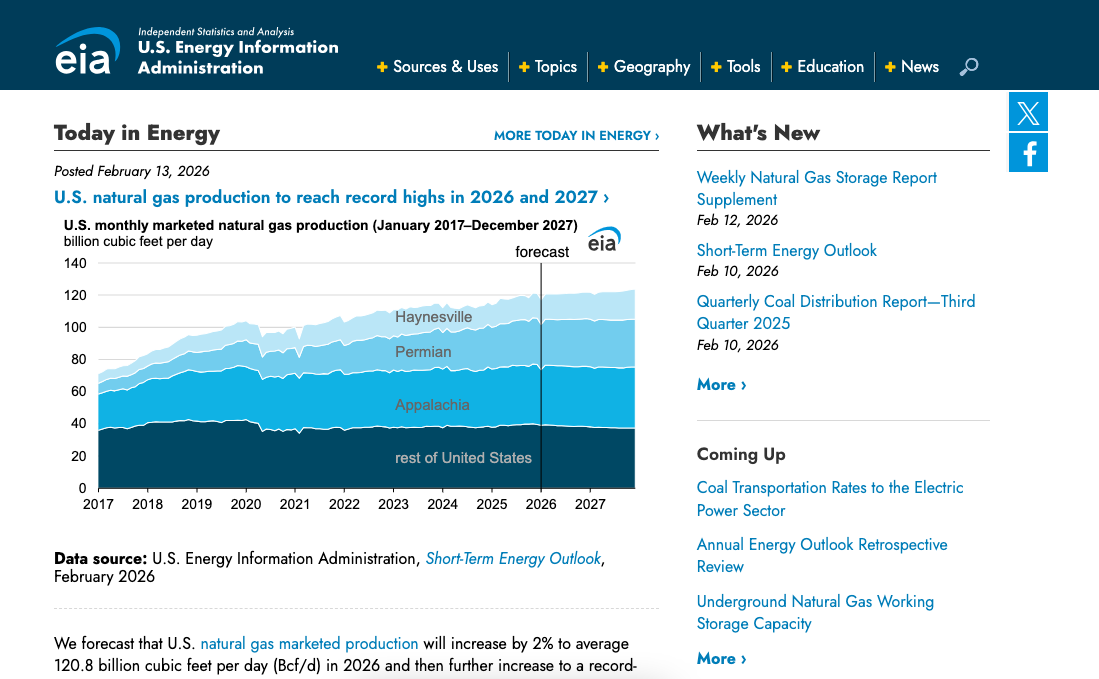
U.S. Energy Information Administration
We reference U.S. Energy Information Administration (EIA) data to inform procurement timing, volatility assessment, and supply-demand analysis.
Frequently Asked Questions
Clarity for Your Natural Gas Procurement Questions
Clear, straightforward answers to the most common questions about natural gas procurement, billing, and cost management.
BREA Energy operates as an independent advisory firm — not a supplier and not a commissioned sales intermediary. We provide structured analysis, invoice auditing, procurement guidance, and long-term oversight so clients can make informed energy decisions aligned with their operational and financial objectives.
No. We do not guarantee pricing outcomes or savings. Energy markets are dynamic and influenced by external factors beyond any advisor’s control. Our value lies in disciplined analysis, structured procurement strategy, and improved cost governance — not promises.
Structured procurement refers to a disciplined, strategy-based approach to natural gas purchasing that accounts for market conditions, risk tolerance, operational demand, regulatory exposure, and long-term planning objectives. It replaces reactive buying with defined frameworks and governance.
Our invoice audits evaluate billing accuracy, tariff application, usage classifications, tax treatment, and structural cost components. We assess whether supply arrangements and regulatory treatments align with the organization’s operational profile, often identifying areas for compliance review or structural cost improvement.
BREA Energy works with mid-size and large commercial and institutional natural gas users, including industrial and manufacturing facilities, hospitals and healthcare systems, universities, pharmaceutical manufacturers, municipalities, and other high-load energy consumers. Our advisory model is built for organizations where energy spend is material and operational continuity is critical.
We identify potential discrepancies and provide analytical support; however, we do not directly correct utility billing errors unless separately agreed upon. Our role is advisory — equipping clients with documentation and analysis to pursue resolution when appropriate.
BREA Energy facilitates and advises on natural gas supply agreements, but final decisions remain with the client. We provide market insights, pricing analysis, and contract structure evaluation to support informed decision-making, without taking control of procurement authority.
No. BREA Energy does not perform engineering studies, equipment design, or operational retrofits. Our focus is on the financial, contractual, and market-side components of natural gas cost management.
Ongoing monitoring improves oversight, identifies structural cost shifts, ensures classification accuracy, and enhances internal energy governance. For organizations with complex load profiles, continuous review reduces exposure to unnoticed billing irregularities and evolving regulatory treatment.
Long-term consulting includes market education, budgeting support, procurement timing strategy, contract evaluation, structural cost review, and advisory partnership through changing market cycles. Our objective is to provide institutional-grade guidance that strengthens confidence and clarity in energy decision-making.